
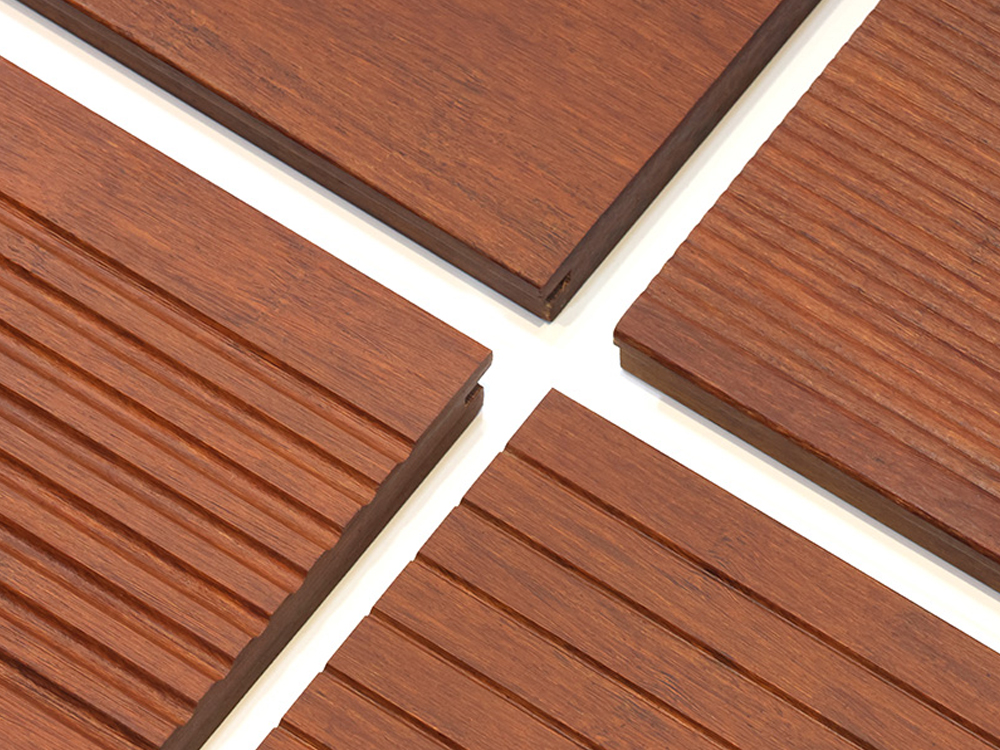
Bamboo Decking vs Traditional Wood Decking: Which Is Right for Your Outdoor Space?
- 27 Jan 2026
- Industry News
Bamboo Decking vs Traditional Wood Decking: Which Is Right for Your Outdoor Space?
Outdoor decking is one of the most visible and functional elements of any garden, patio, or pool area. Choosing the right material can impact durability, maintenance, appearance, and environmental sustainability. Among the top choices today are bamboo decking and traditional wood decking. This guide explores their differences, advantages, and disadvantages to help homeowners, designers, and hoteliers make informed decisions.
1. Introduction to Bamboo Decking and Traditional Wood Decking
Before comparing, it is important to understand what each option entails.
1.1 Bamboo Decking
Bamboo decking is made from matured bamboo stalks that are processed, compressed, and treated to enhance durability. Its natural color and grain offer a modern aesthetic, and it is highly regarded for its eco-friendly properties.
Key characteristics:
- Renewable and fast-growing material.
- Resistant to termites and insects when properly treated.
- Smooth surface that can be polished or brushed for different textures.
1.2 Traditional Wood Decking
Traditional decking typically uses hardwoods like teak, ipe, cedar, or softwoods such as pine treated for outdoor use. Wood decking has been the industry standard for decades and is known for its classic appearance and natural warmth.
Key characteristics:
- Natural look with distinct grain patterns.
- Strong structural integrity for long spans.
- Requires treatment or staining to prevent decay and insect damage.
2. Comparison Criteria
To make an informed choice between bamboo decking and traditional wood decking, we can evaluate several critical aspects:
2.1 Durability and Strength
- Bamboo decking is extremely strong due to its natural fiber structure and modern compression techniques.
- High-density bamboo can even surpass some hardwoods in hardness and impact resistance.
- Traditional hardwoods like ipe or teak are also highly durable but vary significantly depending on species and maintenance.
2.2 Maintenance Requirements
- Bamboo decking requires minimal maintenance: periodic cleaning and occasional sealing is generally sufficient.
- Wood decking needs regular sanding, staining, or sealing to prevent warping, fading, or insect damage.
2.3 Weather Resistance
- Bamboo decking is resistant to water and UV rays after proper treatment, making it suitable for humid or sunny climates.
- Wood decking can warp, crack, or fade over time if not properly maintained, especially in regions with high rainfall or intense sun.
2.4 Eco-Friendliness
- Bamboo is one of the fastest-growing plants globally, making bamboo decking highly renewable and sustainable.
- Traditional wood often comes from slow-growing hardwood trees, which can have a higher environmental impact unless sourced responsibly.
2.5 Cost and Investment
- Bamboo decking is generally more cost-effective than premium hardwoods and offers excellent long-term value due to low maintenance.
- Hardwood decking may have a higher initial cost and ongoing maintenance expenses.
3. Visual and Aesthetic Considerations
Both bamboo and wood decking offer distinct aesthetics:
- Bamboo Decking:
- Provides a modern, clean appearance.
- Available in natural light colors or carbonized darker tones.
- Uniform texture and finish suitable for contemporary designs.
- Wood Decking:
- Offers rich, natural grain patterns.
- Variety of hardwoods and softwoods allows multiple design styles, from rustic to classic elegance.
- Over time, wood can develop a natural patina, adding character but requiring care.
4. Detailed Comparison Table
|
Feature |
Bamboo Decking |
Traditional Wood Decking |
|
Durability |
Very high, especially high-density bamboo |
High for hardwoods, medium for softwoods |
|
Maintenance |
Low – periodic cleaning and sealing |
Medium-High – regular sanding, staining, sealing |
|
Weather Resistance |
Resistant to water and UV when treated |
Needs protection against warping and fading |
|
Eco-Friendliness |
Highly renewable, sustainable |
Depends on sourcing; slow-growing hardwoods less sustainable |
|
Cost |
Moderate, good long-term ROI |
Higher initial and maintenance costs |
|
Appearance |
Modern, uniform texture, light or dark tones |
Classic, natural grain, develops patina over time |
5. Practical Applications and Recommendations
5.1 Suitable Spaces for Bamboo Decking
- Residential gardens, patios, or balconies.
- Hotel pool areas or resort terraces.
- Outdoor walkways requiring eco-friendly, durable materials.
5.2 Suitable Spaces for Wood Decking
- Luxury residential properties emphasizing traditional aesthetics.
- Historical or classic-themed hotels and resorts.
- Spaces where natural grain and color variation are prioritized.
6. Why Bamboo Decking Offers Cost-Effective Advantages
Choosing bamboo decking over traditional wood is often more economical for several reasons:
- Lower Initial Cost – Bamboo decking is typically priced lower than premium hardwoods without compromising strength.
- Reduced Maintenance Expenses – Minimal sealing and cleaning save long-term costs.
- Longer Lifespan in Certain Climates – Resistance to moisture, UV, and pests reduces replacement frequency.
- Eco-Friendly Incentives – Using sustainable bamboo may qualify for green building credits or certifications, adding value to projects.
7. Conclusion
When selecting outdoor decking, both bamboo decking and traditional wood offer unique benefits. Bamboo decking excels in sustainability, durability, and low maintenance, making it an ideal choice for modern homes, resorts, and eco-conscious projects. Traditional wood remains desirable for its timeless natural beauty and rich textures, though it requires more care and investment.
For those seeking a high-quality, environmentally friendly, and cost-effective solution, bamboo decking from a reputable manufacturer provides long-term value and aesthetic appeal. Choosing the right decking material ensures your outdoor space is durable, safe, and visually appealing for years to come.