
Bamboo Plywood vs. Traditional Plywood:Sustainability, Strength, and Versatility Explained
- 27 Jan 2026
- Industry News
Bamboo Plywood vs. Traditional Plywood:Sustainability, Strength, and Versatility Explained
Introduction
Plywood is a foundational material in furniture manufacturing, interior decoration, cabinetry, and wall panel systems. While traditional plywood has dominated the market for decades, bamboo plywood has rapidly gained attention as a high-performance and sustainable alternative.
For manufacturers, designers, and project contractors, the choice between bamboo plywood and traditional plywood affects not only structural performance, but also environmental impact, processing efficiency, long-term durability, and compliance with green building standards.
This article offers a practical comparison of bamboo plywood vs. traditional plywood, focusing on load-bearing capacity, workability, sustainability, moisture resistance, and application versatility—helping buyers select the most suitable panel material for their projects.
1. Understanding the Two Types of Plywood
Before diving into performance comparisons, it is important to understand how each panel is manufactured and where its strengths originate.
1.1 Bamboo Plywood
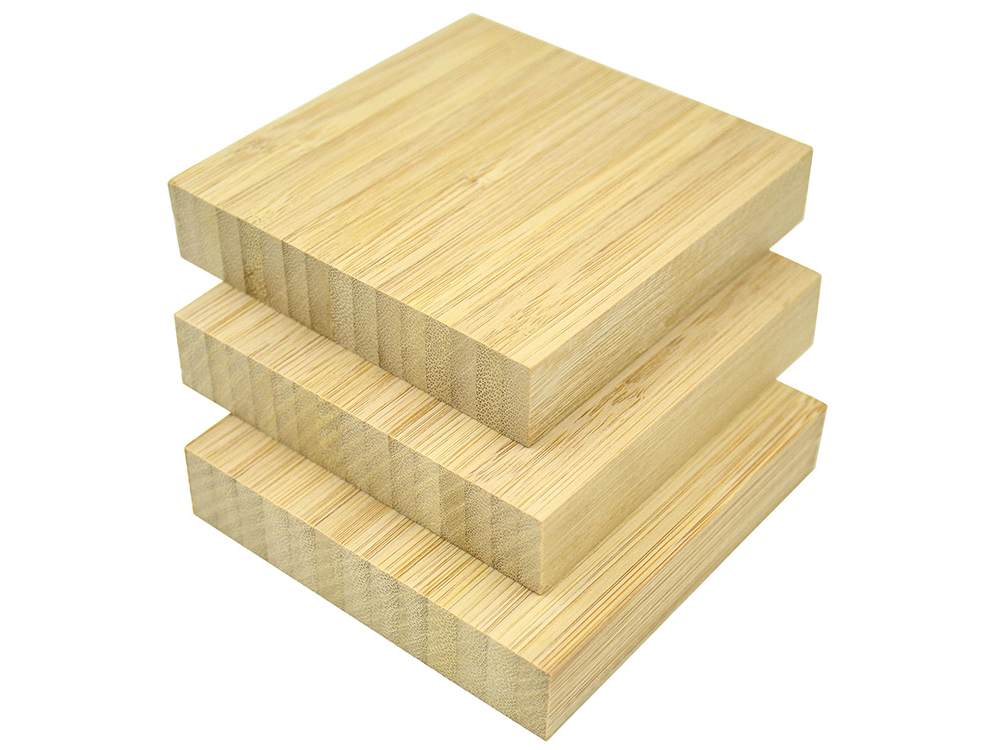
Bamboo plywood is produced by laminating processed bamboo strips or veneers under high pressure using industrial adhesives. Bamboo fibers are naturally dense and strong, giving the panel excellent mechanical properties.
Key characteristics of bamboo plywood include:
- High fiber density and uniform structure
- Rapidly renewable raw material
- Consistent thickness and surface quality
Bamboo plywood is widely used in furniture panels, cabinets, wall cladding, stair components, and interior architectural elements.
1.2 Traditional Plywood
Traditional plywood is manufactured from thin wood veneers peeled from logs and bonded in cross-laminated layers. Common wood species include poplar, eucalyptus, birch, pine, and hardwood combinations.
Typical features include:
- Broad availability and price range
- Variable quality depending on wood species and core structure
- Widely accepted in construction and furniture industries
2. Load-Bearing Capacity and Structural Strength
2.1 Strength of Bamboo Plywood
Thanks to bamboo’s dense fiber structure, bamboo plywood delivers excellent mechanical strength:
- High compressive and bending strength
- Uniform load distribution
- Strong resistance to deformation
In many applications, bamboo plywood can match or exceed the strength of hardwood-based plywood of similar thickness.
2.2 Strength of Traditional Plywood
Traditional plywood strength depends heavily on:
- Wood species
- Core composition
- Adhesive quality
High-grade birch plywood performs well, while low-cost mixed-core plywood may suffer from weak bonding and inconsistent load-bearing capacity.
3. Workability and Processing Performance
3.1 Processing Bamboo Plywood
Bamboo plywood offers good machinability:
- Clean cutting and edge finishing
- Suitable for CNC machining
- Stable performance during drilling and routing
However, due to higher density, cutting tools must be sharp, and proper speed settings are recommended for optimal results.
3.2 Processing Traditional Plywood
Traditional plywood is generally easy to process:
- Compatible with standard woodworking tools
- Softer cores are easier to cut
However, low-quality plywood may experience:
- Core voids
- Edge chipping
- Inconsistent surface finishing
4. Environmental Impact and Sustainability
4.1 Sustainability Advantages of Bamboo Plywood
Bamboo plywood is recognized as a highly sustainable panel material:
- Bamboo matures in 3–5 years
- Harvesting does not kill the plant
- High yield per hectare compared to timber
These advantages make bamboo plywood ideal for projects pursuing green building certifications and low-carbon material sourcing.
4.2 Sustainability of Traditional Plywood
Traditional plywood sustainability depends on:
- Forest management practices
- Certification (FSC, PEFC)
- Wood species regeneration cycles
While certified plywood can be environmentally responsible, it often comes at a higher cost.
5. Moisture Resistance and Dimensional Stability
5.1 Bamboo Plywood Performance in Humid Conditions
Properly manufactured bamboo plywood offers:
- Low moisture absorption
- Strong dimensional stability
- Reduced risk of warping and cracking
With appropriate surface finishing, bamboo plywood performs well in kitchens, bathrooms, and humid environments.
5.2 Traditional Plywood Moisture Behavior
Traditional plywood:
- Performs well in dry interiors
- May delaminate or warp if exposed to moisture
- Requires moisture-resistant grades for wet areas
Performance varies significantly by glue type and core quality.
6. Application Versatility
6.1 Applications of Bamboo Plywood
Bamboo plywood is widely used in:
- Furniture manufacturing
- Cabinets and wardrobes
- Wall panels and interior cladding
- Decorative architectural elements
Its natural texture and uniform structure make it suitable for both functional and decorative applications.
6.2 Applications of Traditional Plywood
Traditional plywood is commonly applied in:
- Structural furniture components
- Substrates and carcasses
- Construction and renovation projects
Its versatility lies mainly in cost range and availability.
7. Comparison Table: Bamboo Plywood vs Traditional Plywood
|
Feature |
Bamboo Plywood |
Traditional Plywood |
|
Load-Bearing Capacity |
High |
Medium–High |
|
Structural Uniformity |
Excellent |
Variable |
|
Workability |
Good |
Very Good |
|
Sustainability |
Excellent |
Medium–Good |
|
Moisture Resistance |
High (with finish) |
Medium |
|
Dimensional Stability |
High |
Medium |
|
Aesthetic Consistency |
High |
Variable |
|
Typical Applications |
Furniture, wall panels |
Furniture, construction |
8. Choosing the Right Material for Furniture and Interior Projects
When selecting between bamboo plywood and traditional plywood, buyers should consider:
- Project Positioning: Eco-friendly or conventional
- Performance Requirements: Structural load, humidity exposure
- Design Expectations: Surface appearance and consistency
- Long-Term Value: Durability and sustainability goals
For premium furniture and interior applications, bamboo plywood offers a compelling balance of performance and environmental responsibility.
Conclusion
When comparing bamboo plywood vs. traditional plywood, bamboo plywood stands out as a modern, sustainable, and high-performance material. It delivers strong load-bearing capacity, reliable dimensional stability, and excellent versatility across furniture and interior applications.
Traditional plywood remains a practical solution for cost-driven and structural uses. However, for manufacturers, designers, and developers seeking durability, consistency, and eco-friendly credentials, bamboo plywood represents a forward-looking alternative that aligns with both performance demands and sustainability trends.