
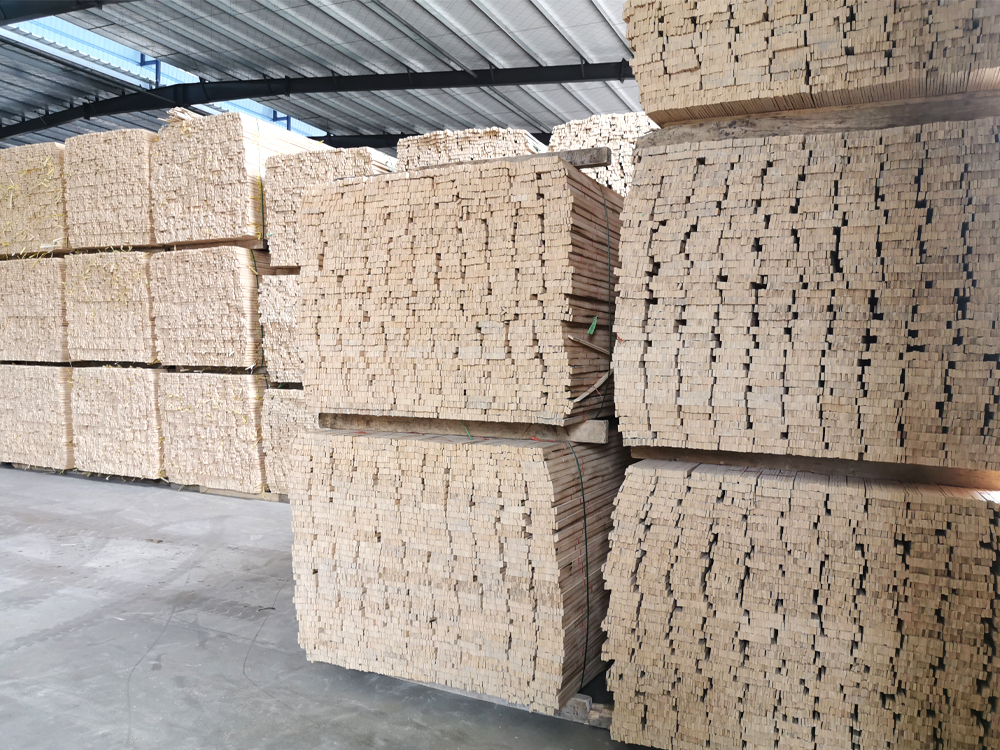
Bamboo Strips: Versatile Natural Material for Modern Design
- 15 May 2026
- Industry News
Bamboo strips, also known as slatted bamboo or bamboo lath, are versatile natural materials that bridge traditional craftsmanship with modern design applications. From decorative wall panels and ceiling installations to furniture manufacturing and architectural features, Strips offer endless possibilities for designers, architects, and DIY enthusiasts alike. This comprehensive guide explores the characteristics, applications, and practical uses of Strips, helping you discover how this sustainable material can elevate your projects.
1. Understanding Bamboo Strips: What Are They?
Strips (Bamboo Strips/Slats) are thin, elongated pieces of bamboo that have been processed from mature bamboo poles. The production process involves selecting mature bamboo (typically 4-6 years old), splitting the poles into strips, removing the nodes, and then either applying heat treatment (carbonization) for color enhancement or leaving them natural. These strips can range from 5mm to 30mm in width and vary in thickness from 1mm to 10mm, depending on the intended application.
- Raw Material: Moso bamboo (Phyllostachys edulis) is the preferred species due to its exceptional strength and straight grain.
- Processing Methods: Steam bending, heat treatment, lamination, and chemical-free preservation maintain bamboo's natural properties.
- Surface Finishes: Available in natural, carbonized (amber), or stained colors with matte, semi-gloss, or glossy finishes.
- Grade Classifications: Industrial grade for structural applications, and premium grade with fewer nodes and uniform color for decorative uses.
Leading suppliers like Hunan Taohuajiang Bamboo Science & Technology Co., Ltd. (BAMBOOHOOD) provide standardized and customized Strips products with FSC certification and consistent quality control, serving markets across North America, Europe, and Southeast Asia.
2. Types and Specifications of Bamboo Strips
Understanding the different types of Strips helps you select the right material for your specific project requirements:
- Horizontal Bamboo Strips – Strips laid flat with the bamboo node pattern visible, creating a traditional bamboo mat appearance. Ideal for flooring underlays and decorative panels.
- Vertical Bamboo Strips – Strips arranged vertically with narrow face exposed, showcasing bamboo's natural fiber patterns. Preferred for modern architectural applications.
- Edge-Glued Bamboo Strips – Multiple narrow strips bonded together under high pressure for wider panels. Provides enhanced stability and larger surface coverage.
- Pressed Bamboo Strips – Compressed bamboo strips with higher density (over 1,000 kg/m³), suitable for high-traffic flooring and industrial applications.
- Laminated Bamboo Strips – Cross-laminated layers bonded together for maximum structural integrity. Used in furniture, cabinetry, and architectural millwork.
BAMBOOHOOD offers Strips with custom sizing available for volume orders to meet specific project specifications.
3. Top Applications for Bamboo Strips
Strips can be used across numerous applications in residential, commercial, and industrial settings:
3.1 Wall and Ceiling Treatments
- Slatted Wall Panels: Horizontal or vertical Strips mounted on battens create modern textured wall surfaces with acoustic benefits.
- Ceiling Grilles: Interwoven bamboo strip patterns add visual interest and improve acoustics in offices, restaurants, and auditoriums.
- Room Dividers: Lightweight bamboo strip screens provide flexible space division while maintaining openness and natural aesthetics.
3.2 Furniture and Interior Design
- Furniture Frames: Strong, lightweight Strips form chair seats, table surfaces, and shelving units with natural appeal.
- Cabinet Door Panels: Bamboo strip inlays add texture and warmth to kitchen cabinets, wardrobes, and built-in storage.
- Headboard Designs: Woven or laid Strips create statement headboards for bedrooms in hotels and residences.
3.3 Commercial and Architectural Uses
- Retail Displays: Eco-conscious brands use bamboo strip installations for sustainable visual merchandising.
- Spa and Wellness Centers: Bamboo strip ceiling panels and wall features create calming, natural atmospheres.
- Bamboo Curtain Walls: Large-scale Strips installations provide biophilic design elements for office buildings and hospitality projects.
4. Benefits of Using Bamboo Strips
Why choose Strips over conventional materials? Here are compelling advantages:
- Sustainability: Bamboo regenerates from root systems after harvest, reaching maturity in 5-7 years compared to 20-100 years for hardwoods. It also sequesters carbon and produces 35% more oxygen than equivalent forest coverage.
- Strength-to-Weight Ratio: Bamboo's tensile strength rivals mild steel, while remaining lightweight. Bamboo strips can bear significant loads while allowing for elegant, thin-profile designs.
- Aesthetic Versatility: The natural warmth of bamboo complements various design styles from minimalist Scandinavian to traditional Asian aesthetics. Strips can be stained, painted, or left natural.
- Thermal Properties: Bamboo strips provide natural insulation, helping regulate indoor temperatures and reduce energy costs for heating and cooling.
- Workability: Easy to cut, shape, and join with standard woodworking tools. Strips can be bent using steam or heat for curved applications.
- Cost-Effectiveness: Compared to premium hardwoods, Strips offer comparable aesthetics at lower price points with better environmental credentials.
5. Maintenance and Care Guidelines
Protect your Strips installations with proper maintenance:
- Regular Cleaning: Dust with a soft cloth or vacuum using a brush attachment. For deeper cleaning, use a damp (not wet) mop with mild bamboo-safe cleaner.
- Moisture Protection: Avoid prolonged water exposure. Wipe spills immediately and ensure adequate ventilation in humid spaces like bathrooms.
- Surface Re-finishing: Apply fresh coats of bamboo oil or water-based polyurethane annually to maintain luster and protect against wear.
- UV Protection: Direct sunlight may cause color fading over time. Use window treatments or UV-protective coatings in sun-exposed installations.
With appropriate care, bamboo strip installations maintain their beauty and structural integrity for decades, making them excellent long-term investments for any space.
7. Summary
Strips (Bamboo Strips) are versatile, sustainable materials that offer endless creative possibilities for designers, craftspeople, and homeowners. From decorative wall treatments and furniture to architectural installations, these natural bamboo elements bring warmth, texture, and environmental responsibility to any project. Understanding the different types, applications, and working techniques helps you maximize the potential of Strips in your designs. Partner with certified suppliers like BAMBOOHOOD to access high-quality bamboo strips with consistent specifications, customization options, and professional guidance for your next sustainable design project.
FAQ: Bamboo Strips
Q1: Can bamboo strips be used outdoors?
A: Yes, but outdoor applications require specially treated Strips with enhanced weatherproofing. Apply outdoor-grade sealants annually and ensure proper drainage to prevent moisture accumulation. Direct ground contact should be avoided.
Q2: Are bamboo strips fire-resistant?
A: Yes. BAMBOOHOOD offers fire-retardant treated products meeting Class B-s1-d0 standards.
Q3: How do bamboo strips compare to rattan or wicker?
A: While rattan comes from palm vines and is naturally flexible, Strips are processed from bamboo grass and offer greater structural strength and consistency. Bamboo strips are more resistant to moisture damage and provide cleaner, more uniform aesthetics.
Q4: What minimum order quantities do suppliers typically require?
A: Standard Strips products often have MOQs of 500-1,000 units depending on dimensions. BAMBOOHOOD offers flexible MOQs starting at 200 units for standard sizes and provides custom manufacturing for larger projects with specific requirements.
Q5: Can bamboo strips be combined with other materials like metal or glass?
A: Absolutely. Modern design trends frequently combine Strips with steel frames, aluminum rails, tempered glass panels, or reclaimed wood for mixed-material aesthetics. BAMBOOHOOD's design team can provide technical guidance for hybrid installation specifications.