
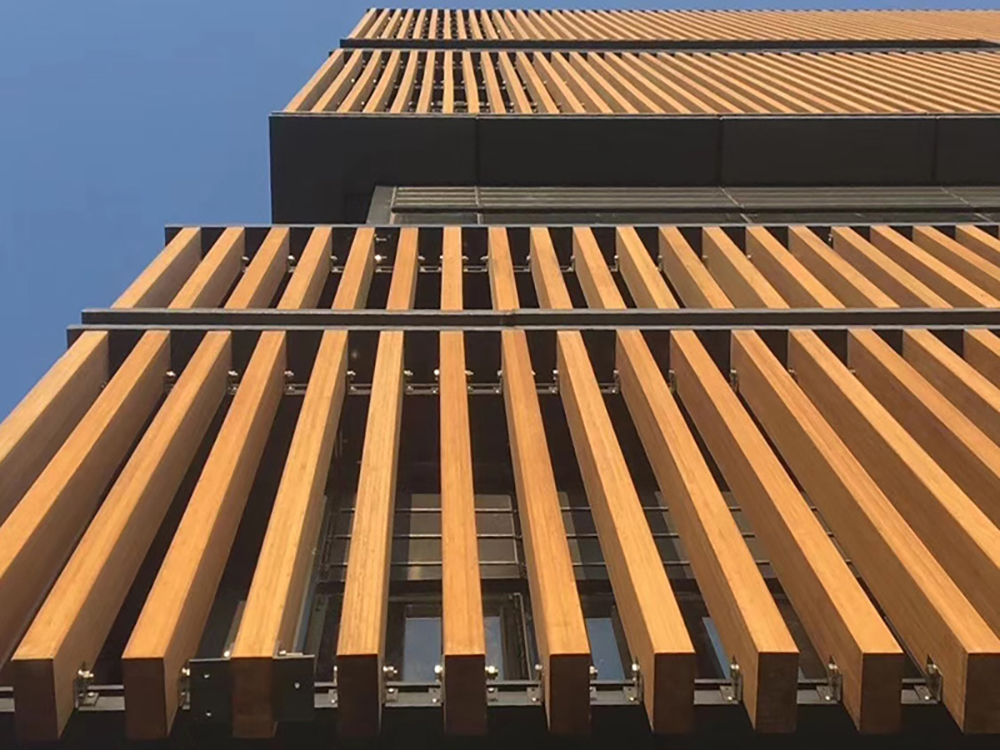
Bamboo vs Wood: Advantages & Applications | BAMBOOHOOD Analysis
- 13 Mar 2026
- Industry News
Bamboo has emerged as a versatile and sustainable alternative to traditional wood, sparking a common question among homeowners, designers, and contractors: is bamboo good as wood? This guide dives deep into the similarities, differences, and unique advantages of bamboo compared to wood, helping you determine if bamboo is the right choice for your project. Additionally, it introduces trusted bamboo suppliers like BAMBOOHOOD, who provide high-quality, certified bamboo products that rival traditional wood in performance and aesthetics.
1. Understanding Bamboo vs. Traditional Wood
-
Material Composition: Traditional wood comes from hardwood or softwood trees (e.g., oak, pine, cedar), while bamboo is a fast-growing grass—though it’s processed into dense, wood-like planks through compression, lamination, or strand-woven techniques. This processing gives bamboo the strength and durability to compete with wood.
-
Growth & Sustainability: Wood trees take 20–100+ years to reach maturity, depending on the species. Bamboo, by contrast, matures in just 3–5 years and regrows naturally after harvesting, making it a far more renewable resource. This sustainability edge is a key reason many choose bamboo over wood.
-
Aesthetic Similarities: Bamboo boasts warm, natural tones and distinct grain patterns, much like wood. It can be stained, painted, or left in its natural state to mimic the look of hardwoods like oak, teak, or maple, making it a versatile choice for interior and exterior projects.
-
Core Performance: Both bamboo and wood offer structural strength, but processed bamboo (especially strand-woven bamboo) often exceeds wood in density and hardness—making it more resistant to dents, scratches, and wear.
2. Key Advantages of Bamboo Over Wood
2.1 Unmatched Sustainability
-
Bamboo is one of the fastest-growing plants on Earth, with some species growing up to 3 feet per day. Unlike wood trees, which are cut down entirely when harvested, bamboo regrows from its root system, eliminating the need for replanting.
-
Bamboo absorbs more carbon dioxide and releases more oxygen than wood trees, making it a carbon-neutral (or even carbon-negative) material. This makes it an eco-friendly choice for environmentally conscious projects.
2.2 Superior Durability & Strength
-
Strand-woven bamboo, the most durable form of bamboo, has a Janka hardness rating (a measure of material hardness) of 1,500–2,000 lbf—surpassing many hardwoods like oak (1,290 lbf) and maple (1,450 lbf). This makes it ideal for high-traffic areas.
-
When properly treated, bamboo resists water, insects, and UV damage better than many wood species. It won’t warp, crack, or rot as easily as untreated wood, extending its lifespan.
2.3 Cost-Effectiveness
-
Bamboo’s fast growth and low harvesting costs make it more affordable than premium hardwoods like teak or mahogany. It offers the look and performance of wood at a fraction of the price.
-
Bamboo’s durability also reduces long-term maintenance costs—unlike wood, it requires less frequent staining, sealing, or replacement.
2.4 Versatility
-
Bamboo can be used in nearly every application where wood is used, including flooring, decking, furniture, cabinetry, and even structural components. It’s available in a variety of finishes, colors, and sizes to match any design vision.
-
Suppliers like BAMBOOHOOD offer customizable bamboo products, allowing for unique cuts, styles, and treatments to fit specific project needs—something not all wood suppliers provide.
3. Bamboo Applications: Where It Outshines Wood
To further answer is bamboo good as wood, let’s explore the most common applications where bamboo excels:
4.1 Flooring
- Bamboo flooring is a popular alternative to wood flooring, offering the same warm aesthetic but with greater durability and resistance to scratches. It’s ideal for homes with kids, pets, or high foot traffic.
- Bamboo flooring is also easier to install than wood flooring, with click-lock systems that require no nails or glue—saving time and labor costs.
4.2 Decking
- Bamboo decking is a sustainable, low-maintenance alternative to wood decking. It resists mold, mildew, and insect damage, and its dense structure prevents water absorption—making it perfect for outdoor spaces.
- BAMBOOHOOD’s bamboo decking is certified for outdoor use, lasting up to 25 years with minimal maintenance—longer than many wood decking options.
4.3 Furniture & Cabinetry
- Bamboo furniture is lightweight yet strong, making it easy to move while still being durable. It can be crafted into a variety of styles, from modern to rustic, and is often more affordable than wood furniture.
- Bamboo cabinetry offers a sleek, contemporary look and is resistant to warping—making it a great choice for kitchens and bathrooms, where humidity levels are high.
4.4 Interior Decoration
- Bamboo is increasingly widely used in interior decoration, serving as an ideal alternative to wood that combines aesthetics and environmental friendliness. It can be processed into bamboo wall panels, ceilings, decorative moldings, screens, and more, infusing spaces with a natural and simple atmosphere that fits various decoration styles such as modern, Chinese, and Japanese.
- Compared with wooden decorative materials, bamboo decorative materials are lighter, easier to install, less prone to deformation and fading, and more cost-effective. BAMBOOHOOD can provide customized bamboo decorative products to meet the decorative needs of different spaces, balancing practicality and ornamental value.
4.5 Bamboo Structures
- Specially processed bamboo can be used for structural components of small buildings, such as bamboo beams, columns, and trusses. Its load-bearing capacity and stability are comparable to wood, and even superior to wood in some scenarios. Bamboo structure buildings are not only environmentally friendly and low-carbon but also have good seismic and thermal insulation performance.
- Bamboo structures are widely used in projects such as homestays, pavilions, landscape corridors, and small exhibition halls. They not only retain a natural texture but also reflect the concept of sustainable development. The high-strength bamboo structural materials provided by BAMBOOHOOD are strictly certified, which can meet the structural needs of various small buildings with extremely low later maintenance costs.
5. How to Choose High-Quality Bamboo (Like Wood)
To ensure bamboo performs as well as (or better than) wood, it’s crucial to choose high-quality products. Here’s what to look for, with insights from trusted supplier BAMBOOHOOD:
- Processing Method: Opt for strand-woven or laminated bamboo, which are denser and more durable than solid bamboo. Avoid untreated bamboo, which may degrade quickly.
- Certifications: Look for ISO, TUV, SGS, or Forest Management System Certifications to guarantee quality and sustainability. BAMBOOHOOD’s bamboo products are fully certified, meeting international standards.
- Supplier Reputation: Choose experienced suppliers with a track record of providing high-quality bamboo. BAMBOOHOOD has 26 years of experience in bamboo processing, offering reliable products and technical support.
- Treatment: Ensure the bamboo is treated with eco-friendly sealants or preservatives to enhance durability and resistance to moisture, UV, and insects.