
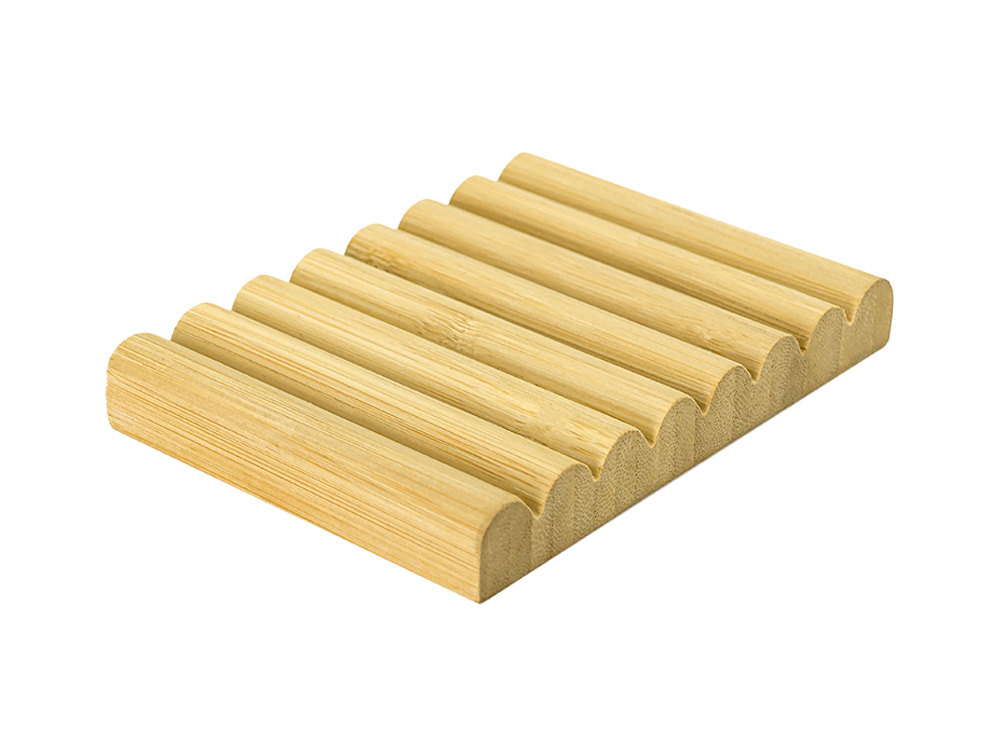
Bamboo Wall Panel vs Wood and MDF Wall Panels: A Practical Comparison for Interior Design
- 27 Jan 2026
- Industry News
Bamboo Wall Panel vs Wood and MDF Wall Panels: A Practical Comparison for Interior Design
Wall panels play a critical role in modern interior design, especially in hotels, commercial spaces, and high-end residential projects. They influence not only aesthetics, but also durability, maintenance cost, acoustic performance, and environmental impact. Among the most common options today are bamboo wall panel, traditional wood wall panels, and MDF wall panels.
This article provides a clear, professional comparison to help designers, developers, and procurement teams choose the right wall panel solution based on performance, design compatibility, and long-term value.
1. Understanding the Three Wall Panel Types
Before making a direct comparison, it is important to understand what differentiates bamboo, wood, and MDF wall panels at the material level.
1.1 Bamboo Wall Panel
A bamboo wall panel is manufactured from mature bamboo that is processed, laminated, or compressed into stable boards. Advanced treatments enhance moisture resistance, structural integrity, and surface consistency, making bamboo suitable for both decorative and functional wall applications.
Key characteristics include:
- Rapidly renewable raw material
- High density and dimensional stability
- Natural texture with modern visual appeal
- Suitable for eco-conscious interior projects
1.2 Traditional Wood Wall Panel
Wood wall panels are typically made from solid wood or wood veneer applied over plywood. Common species include oak, walnut, teak, pine, and ash. Wood panels are valued for their natural grain and classic appearance.
Key characteristics include:
- Authentic natural wood texture
- Strong aesthetic appeal in luxury interiors
- Performance varies by wood species
- Requires proper treatment for moisture and insects
1.3 MDF Wall Panel
MDF (Medium-Density Fiberboard) wall panels are engineered from wood fibers bonded with resin under pressure. They are widely used due to their cost efficiency and smooth surface, which is ideal for painted or laminated finishes.
Key characteristics include:
- Uniform surface, easy to paint or laminate
- Lower material cost
- Limited moisture resistance
- Shorter lifespan in high-humidity environments
2. Key Performance Factors for Wall Panels
When choosing wall panels for hotels or commercial interiors, performance matters as much as appearance.
2.1 Durability and Structural Stability
- Bamboo wall panel offers excellent strength due to its fiber density and layered structure. It resists warping and cracking better than many softwoods.
- Solid wood panels are durable but highly dependent on species and environmental conditions.
- MDF panels are structurally stable indoors but prone to swelling and damage when exposed to moisture.
2.2 Moisture and Climate Resistance
- Bamboo wall panels perform well in humid or temperature-variable environments when properly treated.
- Wood panels require sealing and climate control to prevent deformation.
- MDF panels are highly sensitive to moisture and not suitable for bathrooms, spas, or coastal hotels.
2.3 Maintenance Requirements
- Bamboo wall panels require minimal maintenance—regular cleaning and occasional surface care.
- Wood panels may need refinishing or re-sealing over time.
- MDF panels are difficult to repair once damaged and often require replacement.
3. Aesthetic and Design Compatibility
Interior designers often choose wall panels based on how well they integrate with the overall design language.
3.1 Bamboo Wall Panel in Modern Interiors
A bamboo wall panel offers a clean, natural look that works well in:
- Modern and minimalist interiors
- Eco-luxury hotels and resorts
- Asian-inspired or wellness-focused spaces
Its consistent grain and neutral tones make it easy to combine with stone, metal, glass, and fabric.
3.2 Wood Wall Panels for Classic and Luxury Styles
Wood panels remain popular in:
- European-style luxury hotels
- Executive lounges and suites
- Spaces emphasizing warmth and tradition
However, natural variation in wood grain can complicate large-scale consistency.
3.3 MDF Wall Panels for Cost-Controlled Projects
MDF panels are often chosen for:
- Budget-conscious commercial projects
- Painted feature walls
- Temporary or short-lifecycle interiors
Their visual appeal depends heavily on surface finishing rather than material character.
4. Environmental Impact and Sustainability
Sustainability has become a key consideration in hospitality and commercial projects.
- Bamboo Wall Panel
- Bamboo regenerates within 3–5 years
- Lower carbon footprint compared to hardwood
- Ideal for green building and ESG-focused projects
- Wood Wall Panel
- Sustainability depends on certified sourcing
- Slow-growing hardwoods increase environmental pressure
- MDF Wall Panel
- Uses recycled wood fibers but contains adhesives
- Less eco-friendly due to resin content and limited recyclability
5. Detailed Comparison Table
|
Feature |
Bamboo Wall Panel |
Wood Wall Panel |
MDF Wall Panel |
|
Durability |
High, dense and stable |
High (species-dependent) |
Medium |
|
Moisture Resistance |
Good with treatment |
Medium |
Low |
|
Maintenance |
Low |
Medium to High |
Low initially, high replacement risk |
|
Sustainability |
Excellent, renewable |
Depends on sourcing |
Limited |
|
Design Style |
Modern, eco-luxury, minimalist |
Classic, luxury |
Contemporary, budget |
|
Typical Applications |
Hotels, resorts, offices, spas |
Luxury hotels, residences |
Commercial interiors, feature walls |
6. Cost Considerations and Long-Term Value
6.1 Initial Cost Comparison
- Bamboo wall panels are typically priced between MDF and premium hardwood.
- Wood panels vary widely depending on species and finish.
- MDF panels have the lowest initial cost.
6.2 Lifecycle Cost Analysis
A bamboo wall panel often proves more economical over time due to:
- Lower maintenance requirements
- Reduced replacement frequency
- Better resistance to environmental stress
- Enhanced sustainability value for hotel branding
7. Why Bamboo Wall Panel Is a Strategic Choice for Hotels
For hospitality projects, wall panels must balance aesthetics, durability, and operational efficiency.
A bamboo wall panel is especially suitable because it:
- Supports consistent design across multiple rooms
- Withstands high-traffic public areas
- Aligns with sustainability narratives increasingly valued by guests
- Enhances interior warmth without excessive maintenance
8. Choosing the Right Wall Panel Solution
When selecting wall panels, consider:
- Climate and humidity levels
- Design positioning of the hotel or project
- Budget versus long-term operational cost
- Sustainability requirements and certifications
For projects seeking a balance between modern design, durability, and environmental responsibility, bamboo wall panel solutions offer a compelling advantage over traditional alternatives.
Conclusion
While wood and MDF wall panels continue to serve specific design and budget needs, the bamboo wall panel stands out as a forward-looking solution for modern interiors. Its combination of durability, sustainability, aesthetic versatility, and cost efficiency makes it an increasingly preferred choice in hotels, resorts, and commercial spaces worldwide.
Selecting the right wall panel material is not just a design decision—it is a long-term investment in performance, brand image, and environmental responsibility.