
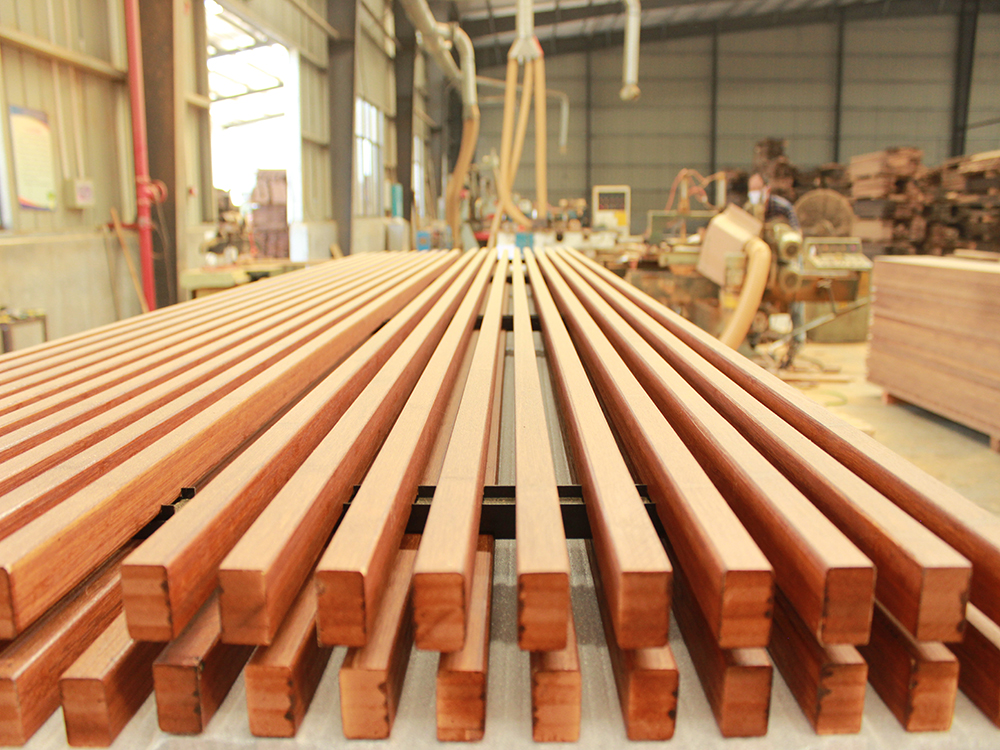
How to Make a Bamboo Wall Panel: Step-by-Step Guide
- 10 Mar 2026
- Industry News
Bamboo wall panels are an eco-friendly and aesthetically appealing solution for interior decoration. Whether for residential or commercial use, making your own bamboo wall panel allows for customization in size, design, and finish. Bamboo is not only sustainable but also durable, offering a long-lasting wall covering option. This guide provides a comprehensive step-by-step method to help you create high-quality bamboo wall panels, whether for a DIY project or professional installation.
1. Why Choose Bamboo Wall Panels?
Before starting, it’s important to understand why a bamboo wall panel is an excellent choice for interiors:
- Eco-Friendly Material: Bamboo grows rapidly and is a renewable resource, making it an environmentally conscious choice.
- Durability: Properly manufactured bamboo panels resist warping, cracking, and moisture damage, ensuring long-term performance.
- Visual Appeal: Bamboo offers a natural texture and warmth, enhancing any wall surface.
- Versatility: Bamboo panels can be used in living rooms, offices, commercial spaces, and feature walls.
Reputable suppliers like Hunan Taohuajiang Bamboo Science & Technology Co., Ltd. (BAMBOOHOOD) provide certified bamboo wall panels that meet international standards and offer customization options for various projects.
2. Tools and Materials Required
Creating a bamboo wall panel requires careful preparation of materials and tools:
- Bamboo Sheets or Strips: Choose high-quality bamboo with consistent color and minimal defects. BAMBOOHOOD provides a variety of bamboo panel materials with certifications such as TUV, SGS, and FSC.
- Plywood or MDF Base: Acts as a stable backing for the bamboo strips.
- Wood Glue or Adhesive: High-strength adhesive designed for bamboo or wood.
- Clamps: To hold bamboo strips firmly while the adhesive sets.
- Saw or Cutter: For trimming bamboo strips to fit your panel dimensions.
- Measuring Tape and Ruler: For accurate measurements.
- Sandpaper: To smooth edges and surfaces.
- Finishing Materials: Varnish, sealant, or oil for protecting and enhancing bamboo’s appearance.
Having all materials ready ensures a smooth and efficient fabrication process.
3. Preparing the Bamboo Strips
Preparation is key to creating a durable bamboo wall panel:
- Select Bamboo Strips: Choose strips of uniform thickness and color for a consistent appearance.
- Cut to Size: Measure and cut strips to match your desired panel dimensions. Always cut slightly longer than needed for trimming adjustments.
- Sand Edges: Use fine-grit sandpaper to smooth rough edges, preventing splintering.
- Arrange Pattern: Before gluing, lay out the strips on a flat surface to design the panel pattern—horizontal, vertical, or geometric designs are possible.
Proper preparation ensures that your finished panel looks professional and fits perfectly.
4. Assembling the Bamboo Wall Panel
Follow these steps to assemble your bamboo panel:
- Prepare the Base: Lay your plywood or MDF backing on a flat surface. Make sure it’s clean and dry.
- Apply Adhesive: Apply wood glue evenly across the back of each bamboo strip.
- Place Strips on Base: Position each strip on the base according to your design. Maintain consistent spacing and alignment.
- Clamp the Panel: Use clamps to press the bamboo strips firmly against the base, ensuring strong adhesion. Leave to dry according to the adhesive manufacturer’s instructions.
- Trim Edges: Once dry, trim any excess bamboo along the panel edges for a neat finish.
This method ensures that the bamboo wall panel is solid and visually appealing.
5. Finishing Your Bamboo Wall Panel
Finishing enhances both the appearance and longevity of your panel:
- Sanding: Lightly sand the entire surface to achieve a smooth texture.
- Sealing: Apply a protective sealant or bamboo-safe varnish to protect against moisture and wear.
- Polishing: Optionally, apply natural bamboo oil to enrich color and maintain luster.
- Inspection: Check for loose strips or uneven areas and correct as necessary.
A well-finished panel is not only beautiful but also durable for long-term use.
6. Installing the Bamboo Wall Panel
Once your panel is complete, installation follows the same principles as commercially produced panels:
- Surface Preparation: Ensure the wall is clean, dry, and smooth.
- Mounting Methods: Use high-strength adhesive for lightweight panels, or mechanical fastening for heavier panels.
- Alignment: Use a level to maintain straight lines during installation.
- Final Check: Inspect the panel and make any adjustments to ensure a perfect fit.
High-quality panels from BAMBOOHOOD can also be used directly, saving time while maintaining the same durability and aesthetic value.
7. Summary
Making a bamboo wall panel is a rewarding project that combines sustainability, aesthetics, and craftsmanship. By carefully selecting bamboo materials, preparing strips, assembling, finishing, and finally installing the panel, you can achieve a professional result suitable for residential, commercial, or public spaces. Choosing high-quality bamboo materials from BAMBOOHOOD ensures durability, eco-friendliness, and a polished finish that enhances any interior wall. With options for customization and international certifications, BAMBOOHOOD bamboo wall panels are a reliable choice for both DIY projects and professional installations.
FAQ: How to Make a Bamboo Wall Panel
Q1: What type of bamboo is best for making wall panels?
A: High-quality, pre-treated bamboo strips or sheets are recommended. BAMBOOHOOD provides bamboo materials that are moisture-resistant, durable, and certified for quality.
Q2: Can I make a bamboo wall panel without a plywood base?
A: While possible, using a stable base like plywood or MDF ensures durability and prevents warping over time.
Q3: How long does the adhesive take to dry?
A: Drying time depends on the adhesive, typically 24 hours for wood glue. Follow the manufacturer’s instructions for best results.
Q4: Can bamboo wall panels be used in humid areas?
A: Yes, but make sure the bamboo is properly sealed and use moisture-resistant adhesives. BAMBOOHOOD panels are tested for durability in humid conditions.
Q5: How do I maintain a bamboo wall panel?
A: Regular dusting, occasional polishing with bamboo-safe oils, and avoiding prolonged exposure to moisture will keep your panel looking new for years.