
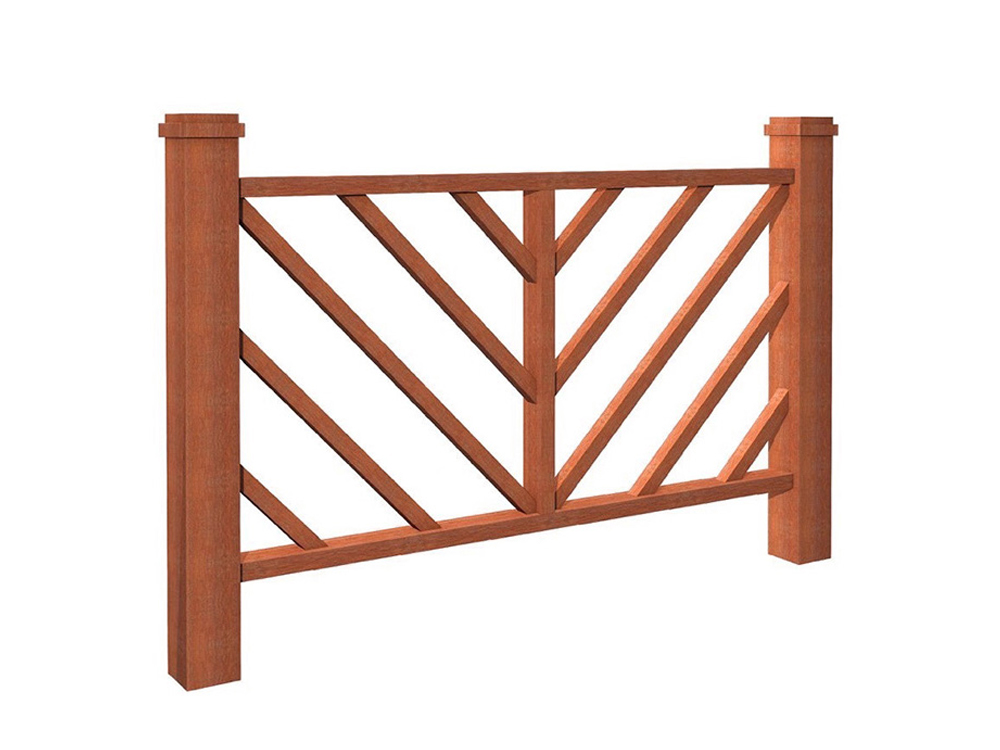
Is Bamboo Railing Strong Enough? How Easy Is Strand Woven Handrail to Install?
- 20 Mar 2026
- Industry News
When selecting a railing system, the balance between strength, aesthetics, and ease of installation is critical. Traditional hardwoods offer durability but come with high costs and environmental concerns.
Strand woven bamboo railing offers a compelling alternative—but two questions inevitably arise: “Is it strong enough to serve as a reliable handrail?” and “How easy is it to install?”
At BambooHood, we’ve spent over two decades engineering bamboo products for residential and commercial projects. In this guide, we’ll give you the straight facts about strand woven bamboo railing—its strength, installation, and why it might be the perfect fit for your next build.
Part 1: Is Bamboo Railing Strong Enough?
The short answer is yes—and then some. But let’s dig into the details.
What Makes Strand Woven Bamboo Different?
Unlike traditional bamboo poles (which are hollow and can split under stress), strand woven bamboo is an engineered material. The manufacturing process involves:
1. Harvesting mature bamboo (typically 4–6 years old).
2. Shredding the stalks into fine strands.
3. Impregnating the strands with a low-VOC phenolic resin.
4. Compressing the mixture under extreme heat and pressure to form dense, solid blocks.
The result is a material with a density that rivals—and often exceeds—the hardest hardwoods.
Strength by the Numbers
To understand just how strong bamboo railing is, look at the Janka hardness test, which measures a wood’s resistance to dents and wear:
|
Material |
Janka Hardness (lbf) |
|
Strand Woven Bamboo |
3,000 – 4,000 |
|
Ipe (Brazilian Walnut) |
3,680 |
|
White Oak |
1,360 |
|
Cedar |
900 |
|
Pine |
690 |
What this means in practical terms: a strand woven bamboo handrail can withstand heavy impact, daily wear from hands and tools, and years of use without showing significant dents or scratches.
Structural Integrity
Beyond surface hardness, strand woven bamboo excels in:
· Bending strength: It resists flexing under load, making it ideal for handrails that need to support weight.
· Stability: Unlike solid wood, which can warp, twist, or cup with moisture changes, fused bamboo remains dimensionally stable.
· Screw-holding power: The dense structure holds screws exceptionally well—no pre-drilling anxiety or stripped screws.
Resistance to the Elements
One of the biggest concerns with natural materials is how they hold up outdoors. BambooHood’s strand woven bamboo railing is engineered for the elements:
· Moisture Resistance: The resin infusion creates a barrier that prevents water absorption, significantly reducing the risk of rot, swelling, or fungal growth.
· Insect Deterrence: Termites and powderpost beetles are attracted to starch and cellulose. The high-heat compression and resin treatment eliminate these food sources.
· UV Stability: While no natural material is completely immune to UV fading, our bamboo is treated to resist graying and discoloration far longer than untreated wood.
Bottom line: For decks, staircases, balconies, and even commercial applications, bamboo railing offers strength that competes directly with premium hardwoods—at a more accessible price point.
Part 2: Is Strand Woven Bamboo Handrail Easy to Install?
If you’ve struggled with heavy, splintering hardwood or hard-to-install composite railings, BambooHood strand woven bamboo handrails offer a far simpler solution.
Step 1: Securely Anchor Posts with Metal Base Plates (Critical for Stability)
Post fixation is the foundation of a sturdy bamboo handrail. First, measure and mark your layout with standard post spacing (36–48 inches) and handrail height (34–42 inches, compliant with most building codes). Mount heavy-duty metal base plates firmly to concrete, deck, or hard ground. Slide the bamboo post over the metal base, then lock it in place with heavy-duty fixing screws. Tight, secure anchoring prevents wobbling and ensures the entire railing system holds strong under daily use.
Step 2: Install Horizontal Rails with Mortise-and-Tenon Joinery
Our strand woven bamboo rails are prefabricated with precision mortise-and-tenon connections for fast, stable assembly. Align the horizontal rails with the pre-cut slots on the bamboo posts. Insert the tenon ends directly into the mortise holes on the posts. Secure with hidden fixing screws for a clean, finished look. This traditional mortise-and-tenon structure creates an ultra-sturdy connection that resists loosening over time—no complicated brackets or extra tools required.
Step 3: Attach Top Handrail for Finished Comfort & Strength
Once the frame is secure, fit the top handrail onto the posts. The handrail connects firmly to the posts with matching prefabricated joints, creating a smooth, comfortable grip and adding extra rigidity to the whole railing system.
Step 4: Final Check & Finishing
Check all joints for tightness. Adjust alignment as needed. Enjoy a clean, natural, and highly durable bamboo railing. In short: no complicated cuts, no heavy lifting, no special skills. With metal base plate anchoring and mortise-and-tenon rail connections, our strand woven bamboo handrail is designed for fast, clean, stable installation that lasts for years.
Where Can You Use Bamboo Railing?
The versatility of strand woven bamboo makes it suitable for virtually any environment. Here are the most common applications:
|
Application |
Examples |
|
Residential |
Deck railings, balcony handrails, staircases, porch railings, indoor loft railings |
|
Commercial |
Office lobbies, hotel stairwells, restaurant deck railings, retail store fixtures |
|
Outdoor Spaces |
Parks, boardwalks, garden boundaries, waterfront promenades, playground barriers |
|
Public Venues |
Museums, shopping centers, airports, transit stations, schools |
|
Industrial |
Guard rails, safety barriers in factories or warehouses |
Customization: Tailored to Your Project
One of the standout advantages of strand woven bamboo is its machinability. Because it’s engineered in solid blocks rather than grown in poles, it can be shaped to meet nearly any design requirement.
At BambooHood, we offer:
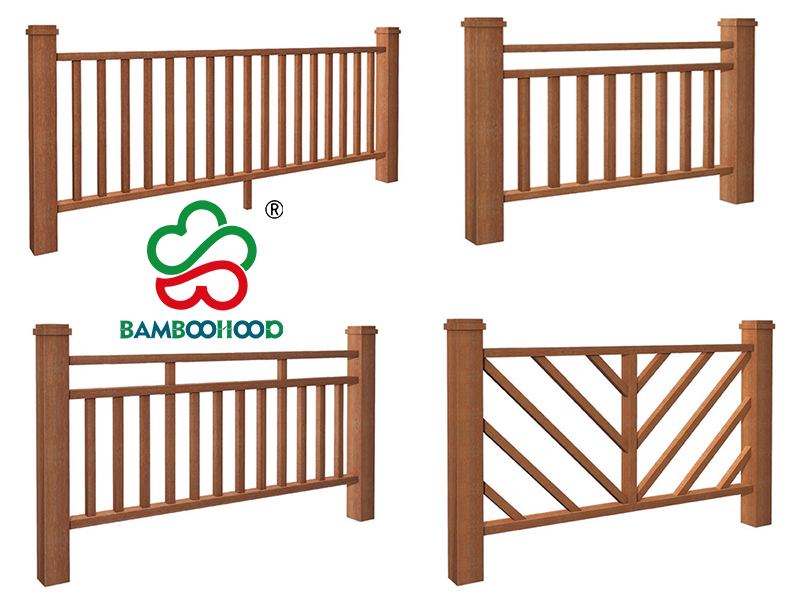
· Custom Profiles: Straight rails, curved handrails, circular posts, square balusters, and unique architectural shapes.
· Standard Finishes: Dark, brown, coffee (carbonized) are our signature options.
· Custom Stains: Need a specific color to match your design palette? We can create custom finishes to complement your project.
· Bulk Orders: We have the production capacity to handle large-scale commercial and industrial projects.
Contact our customer service team to discuss your custom size and color requirements.

Why Choose BambooHood?
With 26 years of experience in the bamboo industry, BambooHood has earned a reputation for quality, consistency, and customer service. We understand that the quality of bamboo products can vary significantly—which is why we hold ourselves to the highest standards.
· Vertical Integration: We control the process from harvest to finished product, ensuring quality at every step.
· Certified Sustainability: Our bamboo is harvested from Forest Stewardship Council-certified, sustainably managed forests.
· Rigorous Testing: Every batch is tested for strength, moisture content, and dimensional stability.
· Global Reach: We supply bulk orders to contractors, architects, and distributors worldwide.
· Customer-Centric Approach: From custom design consultation to after-sales support, we’re with you all the way.
When you choose BambooHood, you’re not just buying a railing—you’re partnering with a team that’s passionate about sustainable building materials.